
As of today, there is not a sufficient amount of annotated Ukrainian-language text corpora to train large language models.
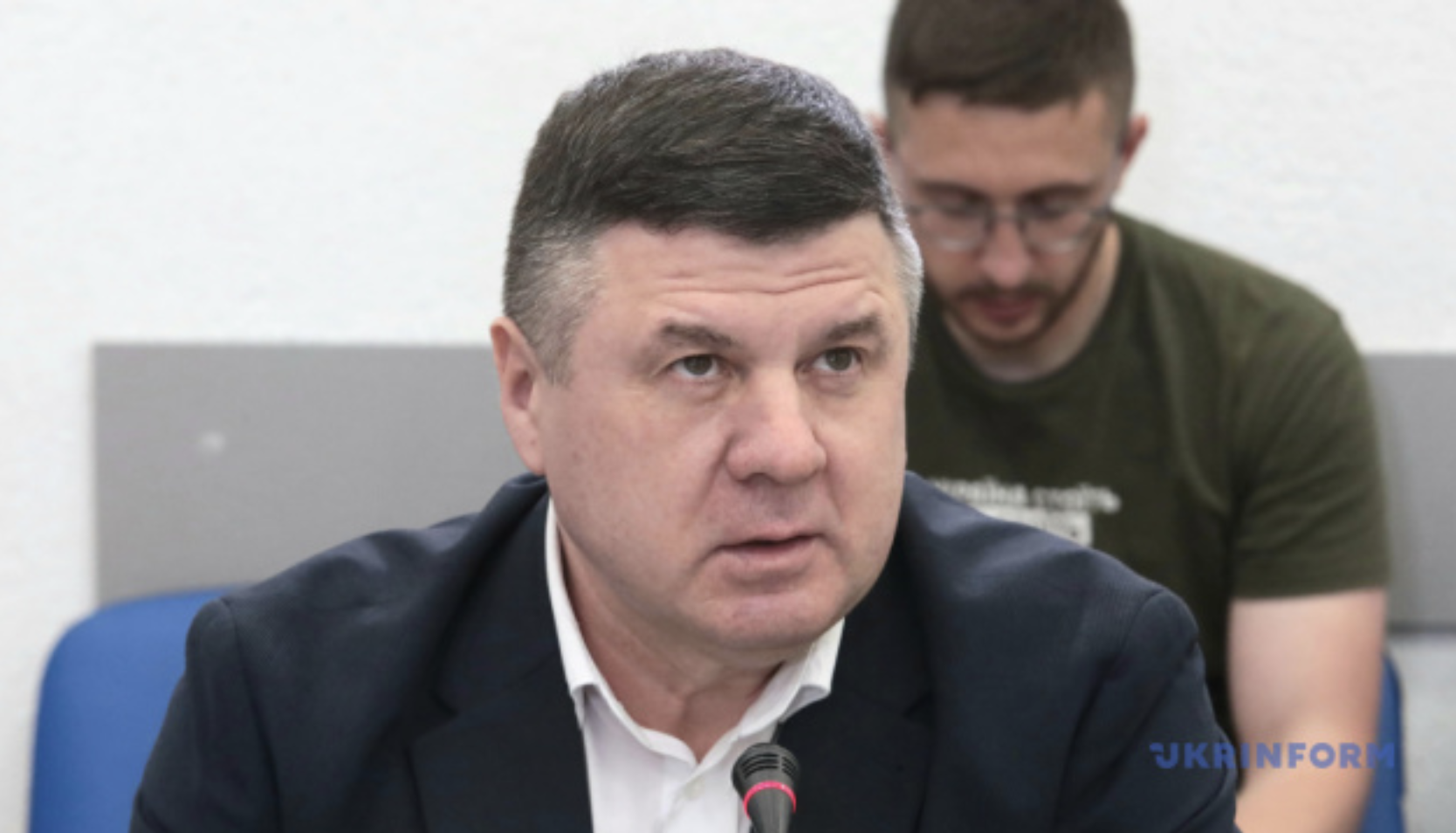
This was emphasized by Serhii Stirenko, Doctor of Technical Sciences, Professor, and Vice-Rector for Research at Igor Sikorsky Kyiv Polytechnic Institute, during the roundtable discussion “Creative and Effective Methods of Stimulating the Use and Development of the Ukrainian Language”, held at Ukrinform.
“The problem is that there currently aren’t enough annotated Ukrainian-language text corpora to train large language models. This is issue number one, because the texts currently being generated in Ukrainian are produced through translation from other languages, primarily from Russian. For instance, if we try to translate something from French, it first gets translated into Russian, and then into Ukrainian. Obviously, such translations are not of high quality, since they often contain calques from Russian. And when the source isn’t an original text but an intermediate version, we see that as a major issue and a threat,” Stirenko noted.
Stirenko stressed the need to create high-quality annotations of Ukrainian texts in order to train neural networks that serve as the basis for text generation in the field of AI. Students, specialists from linguistics departments, and other institutions could be involved in this effort.
Meanwhile, the Rector of Taras Shevchenko National University of Kyiv, Volodymyr Bugrov, stated that the situation with the use of the Ukrainian language at the everyday level is deteriorating. According to him, in informal conversations, young people speak Russian more often than Ukrainian. To address this problem, he believes it is necessary to increase the number of publications — including bilingual books such as Crimean Tatar–Ukrainian or English–Ukrainian editions.
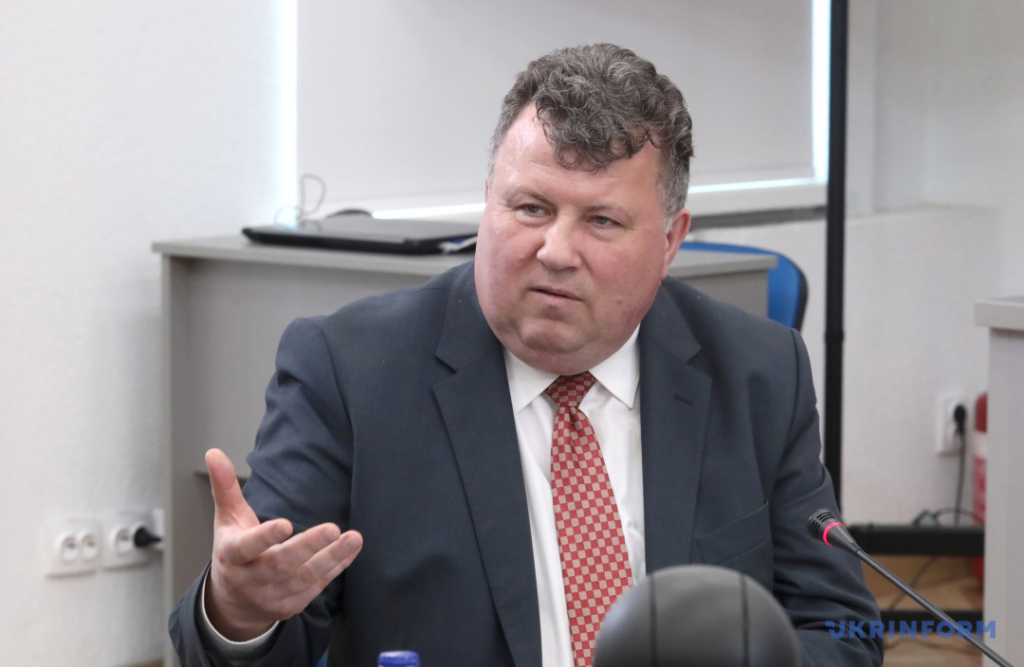
In addition, there is a lack of terminological dictionaries. The rector of Taras Shevchenko National University noted that this year, the Institute of Philology launched a master’s program in legal linguistics to, among other things, train students in the high-quality translation of European legislation.
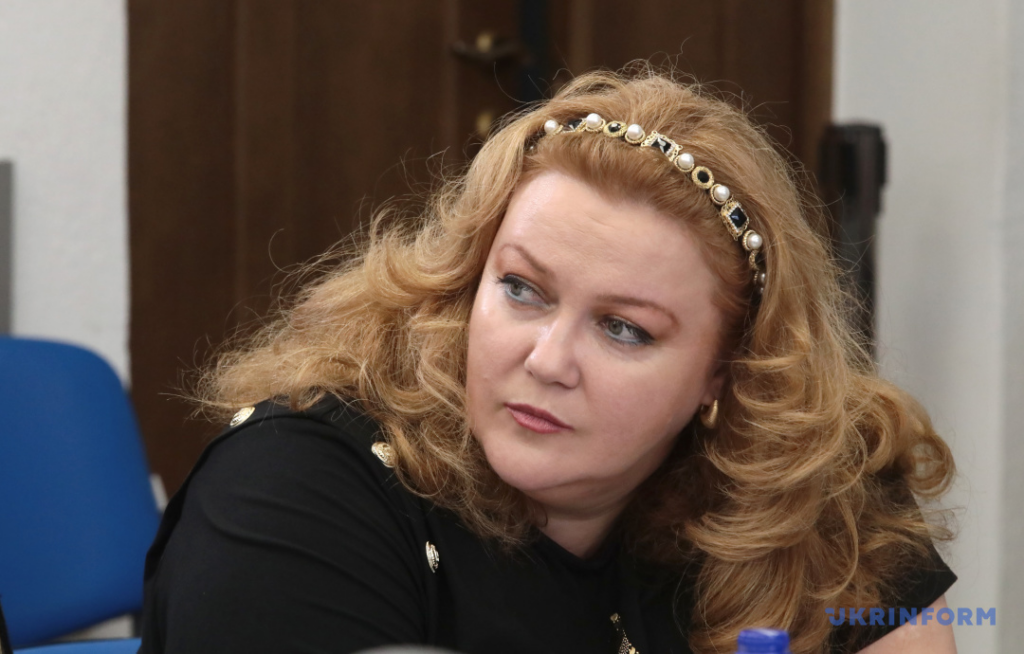
Theater and film actress Lesia Samaieva shared that while teaching an acting course for children, she encountered a lack of Ukrainian translations of specialized educational and literary materials.
Ukrainian scholar, translator, and writer Maksym Strikha emphasized that, as of now, all texts of the European canon have been translated into Ukrainian, including classical works for the theater.
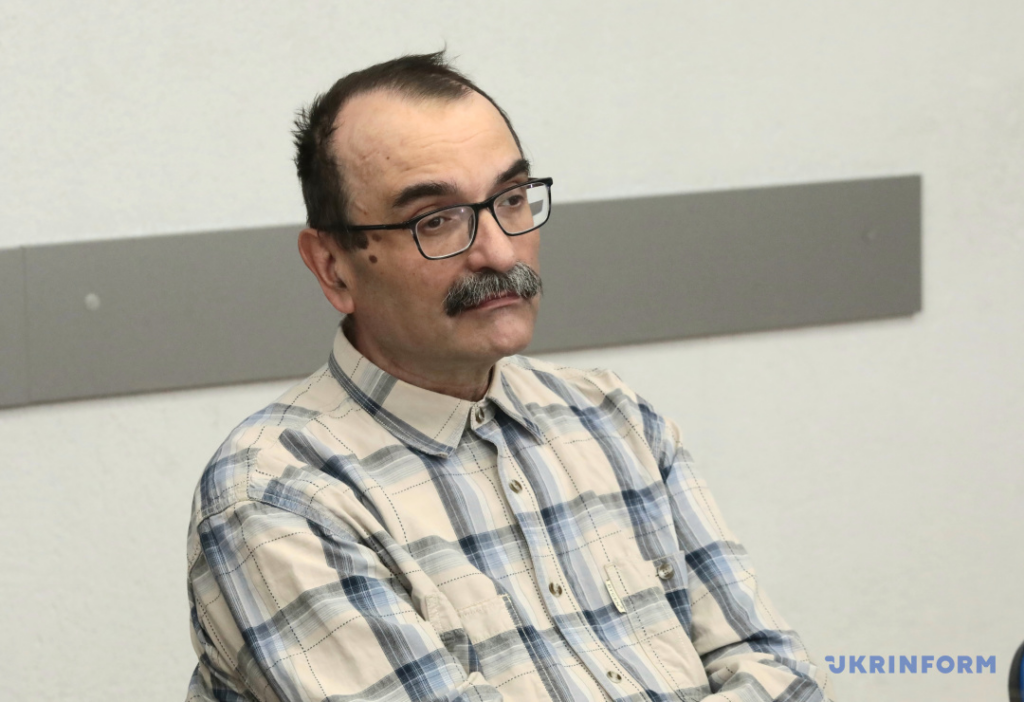
“As a Ukrainian translator, I can say that I was fortunate: I was able to put a big, bold period by translating Geoffrey Chaucer’s The Canterbury Tales. That was the last major text of the European canon that hadn’t yet been translated into Ukrainian. That’s it — by 2019, everything was covered. Just stay curious, look through bibliographic indexes — even Wikipedia can be helpful — and you’ll find quality Ukrainian translations,” Strikha noted.
He added that there are, in fact, 13 or 14 full Ukrainian translations of Shakespeare’s Hamlet, as well as of his other major plays.
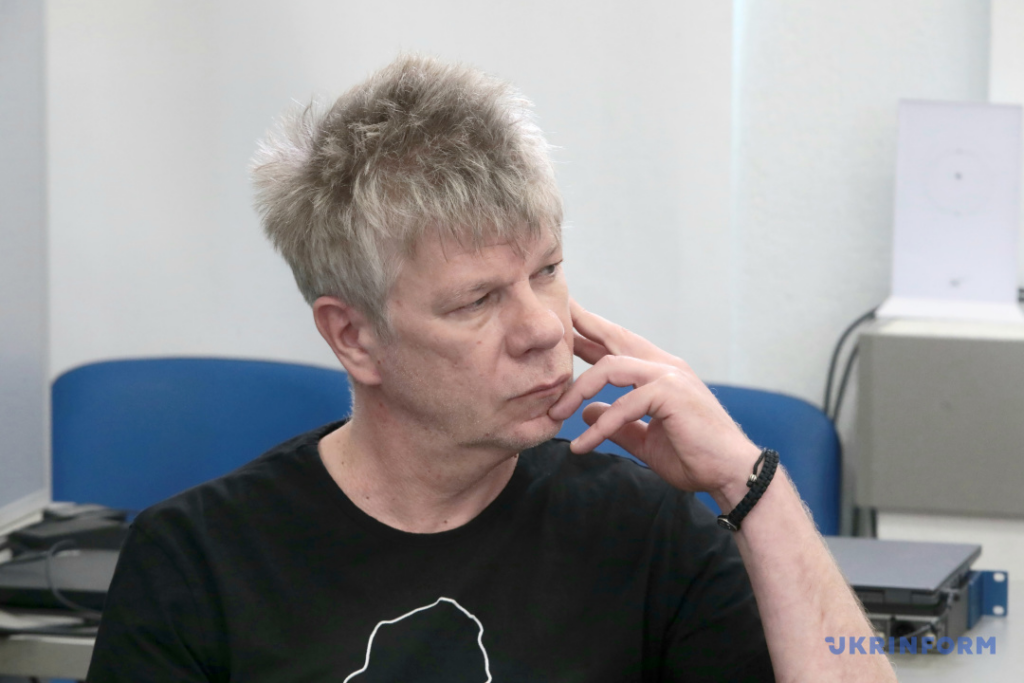
In turn, Kyrylo Kashlykov, General Director and Artistic Director of the Lesya Ukrainka National Academic Theater, noted that since the beginning of the full-scale invasion, all performances at the theater have been conducted exclusively in Ukrainian.
“If before February 2022, 100% of our stage performances were in Russian, then as of now, 100% across all three of our stages are in Ukrainian. At the moment, we have 51 productions — and all of them are in Ukrainian. I believe that is our achievement,” Kashlykov emphasized.
As reported by Ukrinform, the Law of Ukraine “On Ensuring the Functioning of the Ukrainian Language as the State Language” came into force on July 16, 2019. It reinforces the status of Ukrainian as the sole state language, and its provisions were introduced gradually to establish Ukrainian as the only language used in the operations of state and local government bodies, as well as in other public spheres of social life.

Comments are closed